

When to Replace an HVAC System
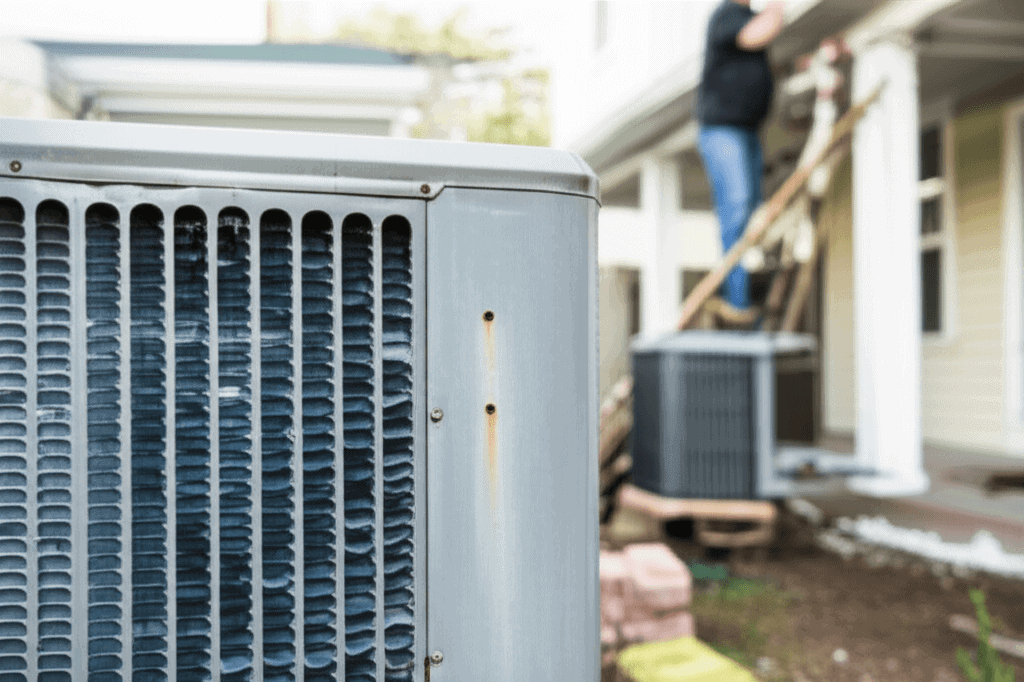
Knowing the best time to swap out an HVAC system works wonders for home and business owners. Picking the right moment flips the switch on comfort, shrinks energy bills, boosts air quality inside, and slashes repair costs over time. Spotting the signs, doing simple math, and using clever tricks can show when replacing that old system saves cash and makes your space feel just right. Dive in to learn how to avoid pricey mistakes while keeping your environment cozy and fresh.
Rather than guessing, look at hard indicators and real numbers. Below you will find common warning signs, how to weigh repair cost against the value of a new unit, what to check for in older systems, and how to work with a contractor so the swap goes smoothly. Examples and simple rules of thumb will help you form a plan that suits your property and budget.
Key warning signs that point to replacement
Watch for patterns that show decline in performance. A single bad day with uneven temperature is normal. Repeat problems and multiple symptoms mean the system is losing useful life.
- Age above the typical life span of 10 to 15 years for many furnaces and 10 to 15 years for air conditioners and heat pumps
- Rising energy bills with no change in thermostat habits
- Frequent repairs, defined as more than two to three significant fixes per year
- Inconsistent heating or cooling across rooms
- Loud or unusual noises that persist after basic maintenance
- Safety issues such as soot, corrosion, or gas smells around a furnace
Performance and comfort clues that replacement is due
Comfort is the most obvious sign to occupants. If your home no longer reaches desired temperatures during peak summer or winter load, the system may be undersized relative to current needs or failing internally.
Short cycling and runtime patterns
Short cycling, where the system starts and stops frequently, points to a loss of capacity or improper sizing. A system that runs almost continually and still falls short shows the compressor or heat exchanger is losing efficiency.
Uneven airflow and humidity control
If some rooms stay hot or cold despite good airflow in others, a replacement that includes proper sizing and duct assessment can solve that. Modern systems control humidity more effectively, which improves comfort and reduces strain on the equipment.
Age and efficiency factors to weigh
Most HVAC systems are designed for a life span of about 10 to 15 years, though actual longevity depends on maintenance history and local climate. Older units also run on outdated refrigerants that are being phased out for environmental reasons, and replacement may be required to meet codes.
Efficiency ratings such as SEER for air conditioners and AFUE for furnaces have improved dramatically in the last decade. If your system has a low rating you will see notable savings from a new model with modern efficiency. To estimate payback, compare the efficiency difference and current utility rates using simple annual savings projections.
Repair frequency and cost threshold to guide the decision
A common rule of thumb to weigh repair against replacement is to add the unit age to the annual repair cost expressed in hundreds. If the result approaches a threshold you set for replacement, then consider swapping the system. More practical examples follow.
Quick examples to illustrate the math
Example one, a 12 year old AC with a needed repair priced at 1200. If you set a threshold of 1500 for stepping up to replacement, the decision leans toward replacement. Example two, a 6 year old furnace with a 400 repair cost likely remains in service after the fix.
Hidden costs to include
Hidden expenses include rising monthly utility bills, shorter periods between repairs, and the impact of downtime. Also factor in refrigerant conversion if your model uses phased out chemicals, and potential ductwork repairs that are often discovered when a unit is swapped.
Refrigerant rules and environmental considerations that affect timing
Regulatory change is a real trigger for replacement. Older systems using R22 refrigerant are increasingly costly to service. If your unit requires that refrigerant and has a leak or major compressor failure, replacement is usually the sensible option because availability and price of R22 can make repairs uneconomical.
Upgrading to a unit that uses modern refrigerant types reduces long term service risk and can produce better efficiency and reliability. Check local rules and incentives that may apply to replacements that use approved refrigerants and higher efficiency ratings.
Sizing, ductwork and home upgrades to consider at replacement
Replacing only the outdoor or indoor component while leaving mismatched parts can produce inefficiency and short equipment life. If you have remodeled, added space, or tightened the building envelope, your original system may no longer be correctly sized.
When to inspect ducts and airflow
Have ducts checked for leaks, incorrect routing, and poor insulation. Leaky ducts can waste 20 percent or more of conditioned air. Replacing the unit while leaving bad ducts would lock in reduced performance and higher costs.
Match the new unit to the full system
Choose a replacement that complements the fan, coils, and ductwork. A professional load calculation helps select the right capacity and staging options so the unit will maintain comfortable conditions without excessive runtime.
Cost comparison and financing options that make the change easier
Replacement cost varies widely based on size, efficiency rating, and modifications to ductwork or electrical service. Get multiple quotes and compare total installed cost, warranty terms, and expected energy savings expressed as annual dollars. Balancing upfront cost against operating savings provides clarity.
- Request an itemized quote that shows equipment, labor, permits, and any ductwork or electrical upgrades
- Ask about manufacturer and installer warranties and what is covered
- Check for local rebates and tax incentives that reduce net cost and shorten payback
How to choose a replacement system and a contractor
Select a contractor who performs a manual J load calculation, inspects the duct system, and provides a documented replacement plan. A good installer will explain options for single stage, two stage, and variable speed equipment, and will outline expected operating costs for each option.
For local service in the Southlake area, a reliable point of contact is available for both evaluation and installation. If you want a straightforward estimate and professional installation for an HVAC upgrade, consider working with a local firm that handles full replacement and post install checks, visit Berkeys Southlake TX HVAC Contractor HVAC System Replacement.
Timeline and what to expect during a replacement
Most full replacements take one to three days depending on complexity. Simple swaps where the unit matches existing duct connections and electrical work can finish in a day. If ducts need extensive repair or the homeowner wants added features such as zoning, plan for additional time.
Before installation, confirm the make and model, warranty details, and a firm start date. Ask the installer what checks they perform after installation such as refrigerant charge measurement, airflow confirmation, and thermostatic calibration.
Tips for extending system life before replacement
If you are not ready to replace immediately, several measures can push out the need for a new system while keeping comfort acceptable. Keep filters changed on schedule and use high quality filters that match the system requirements. Maintain clear airflow around condensers outside and have routine tune ups in spring and fall that include cleaning coils and checking controls.
Address small issues early. Tightening electrical connections, replacing worn belts, and sealing accessible duct leaks are low cost items that reduce stress on aging equipment and may lower repair frequency.
Deciding when to replace an HVAC system need not be confusing. Track age, repair history, comfort levels, and monthly utility trends. Combine that data with a professional evaluation and a careful cost comparison. If you choose replacement, prioritize proper sizing and ductwork checks to protect your investment.
Ready for a consultation or a second opinion on an aging system? Reach out for an on site assessment that will provide clear options, estimated costs, and an installation timeline tailored to your property. A timely replacement can reduce ongoing repair bills, improve comfort, and deliver measurable energy savings. Contact a qualified local installer to move forward with confidence.


